If you're looking for the best stocks and shares ISA in the UK for 2026, you've probably noticed something: there are dozens of options, and everyone claims to be the best.
Trading 212 says they're free. Vanguard says they're the gold standard for passive investing. Hargreaves Lansdown boasts 80,000+ funds. So who's right?
The answer: it depends. The "best" ISA platform depends on how much you're investing, how often you'll trade, and what level of research you want.
This guide ranks the top ISA providers based on what actually matters: fees, features, usability, and value for money. No fluff. No sponsored placements. Just honest analysis to help you decide.
Quick Comparison: Top ISA Platforms in 2026
| Platform | Fee | Min. Investment | Funds/Stocks | Best For |
|---|---|---|---|---|
| Trading 212 | £0 | £10 | 8,000+ | Zero-fee beginners |
| Vanguard | 0.23% | £500 | 100+ | Passive investors |
| Hargreaves Lansdown | £24.95/yr | £100 | 80,000+ | Research lovers |
| AJ Bell | £24/yr | £1 | 15,000+ | Tech-savvy users |
| Freetrade | £0 | £1 | 15,000+ | Minimalists |
Detailed Rankings: #1 to #5
#1 Trading 212 — Best Overall
Platform Fee: £0 | Minimum: £10 | Rating: 4.6/5
Trading 212 takes the top spot for one simple reason: they charge nothing. Zero platform fees. Zero trading commissions. For most investors, especially those starting out or investing modest amounts, this is a game-changer.
What makes them stand out:
- Fractional shares — Invest as little as £1 in companies like Apple, Tesla, or Nvidia
- Beautiful app — Designed for the modern user, not a finance bro from 1998
- Auto-invest — Set up monthly contributions and forget
- 8,000+ stocks and ETFs — Enough choice without overwhelming
Who should use it: Anyone who wants to minimize fees and get a modern, easy-to-use experience. Perfect for beginners, but powerful enough for experienced investors too.
The catch: Research tools are basic compared to Hargreaves Lansdown. Customer support can be slow during busy periods.
#2 Vanguard — Best for Passive Investors
Platform Fee: 0.23% | Minimum: £500 | Rating: 4.3/5
If you believe in the "set it and forget it" approach to investing, Vanguard is your home. Founded by Jack Bogle (the pioneer of index investing), Vanguard built their reputation on low-cost, long-term investing.
What makes them special:
- Industry-leading fund fees — Their index funds charge as little as 0.05% annually
- Ready-made portfolios — Let experts allocate your money based on your risk tolerance
- UK-based support — Actually answer the phone
- Rock-solid reputation — Been around since 1975
Who should use it: Long-term investors who want simplicity. If you're happy to pick a balanced portfolio and check in once a year, Vanguard is unbeatable.
The catch: £500 minimum is steep for some. Only Vanguard funds available (no external funds). Platform is functional but not flashy.
#3 Hargreaves Lansdown — Best for Research
Platform Fee: £24.95/year | Minimum: £100 | Rating: 4.4/5
Hargreaves Lansdown (HL) is the BBC of ISA platforms—trusted, comprehensive, and educational. If you actually want to understand what you're investing in, HL is the winner.
Why research-driven investors love HL:
- 80,000+ funds — The biggest selection in the UK
- Award-winning research — Their fund ratings actually mean something
- Brilliant education — Guides, videos, webinars—learn as you invest
- Fund comparison tools — Compare fees, performance, and risk side-by-side
Who should use it: Investors who enjoy research. People who want to understand why they're buying a particular fund, not just blindly following tips.
The catch: Higher fees than free alternatives. Platform is more complex (but not difficult). 80,000 funds can cause choice paralysis.
#4 AJ Bell Youinvest — Best for Modern UX
Platform Fee: £24/year (first year free) | Minimum: £1 | Rating: 4.5/5
AJ Bell hits the sweet spot between Trading 212's simplicity and Hargreaves Lansdown's features. If you want a modern, responsive platform without the complexity, AJ Bell delivers.
Why tech-savvy investors choose AJ Bell:
- First year free — Test drive with zero commitment
- Modern interface — Feels like it was built in 2026
- Low minimum (£1) — Start with literally any amount
- Ready-made portfolios — Professional allocation at your fingertips
Who should use it: Younger investors who value design and responsiveness. Anyone who wants more features than Trading 212 but less complexity than HL.
The catch: After year one, fees kick in (£24/year). Less research than HL. Smaller fund range than HL (though 15,000+ is plenty).
#5 Freetrade — Best for Minimalists
Platform Fee: £0 (free tier) | Minimum: £1 |
Freetrade is exactly what it sounds like: free trading for those who want simplicity. No frills, no complex menus, no 80,000 funds to choose from. Just stocks, ETFs, and a clean interface.
Why minimalists love Freetrade:
- Truly free — No platform fees on the standard tier
- Fractional shares — Buy any amount
- Community feature — See what other investors are buying
- Simple interface — No learning curve
Who should use it: Investors who know exactly what they want to buy (a few ETFs or popular stocks) and don't need research tools.
The catch: Limited mutual funds (mostly stocks and ETFs). Less educational content. Chat-only support (no phone).
How to Pick the Right ISA: 3 Questions
Still unsure? Ask yourself these three questions:
1. How much are you investing?
Under £500: Trading 212 or Freetrade (no minimums, zero fees)
£500–£5,000: AJ Bell (first year free) or Hargreaves Lansdown
£5,000+: Vanguard (percentage fees become very reasonable at scale)
2. How often will you trade?
Set and forget (once/year): Trading 212, Vanguard, or Freetrade
Monthly contributions: Trading 212 or AJ Bell
Active trading: Trading 212 or Freetrade (lowest fees)
3. Do you want research and education?
Yes, I love data: Hargreaves Lansdown
Some, but not all day: AJ Bell or Vanguard
No, I just want to buy: Trading 212 or Freetrade
What Actually Matters When Choosing an ISA
Before you decide, here's what to actually focus on:
Who each platform suits
- Trading 212: best for beginners and cost-conscious investors who want a clean ISA experience
- Vanguard: best for passive investors who want simple, long-term fund investing
- Hargreaves Lansdown: best for research-heavy investors who want depth over lowest cost
- AJ Bell: best for people who want a balance between app quality and broader choice
- Freetrade: best for minimalist investors who already know what they want to buy
Fees (The Silent Killer)
A 1% annual fee might not sound like much. But over 20 years on a £50,000 portfolio, it costs you £15,000+ in lost returns. Always check the total cost: platform fee + fund fees.
Minimum Investment
Some platforms demand £500 or more upfront. Others let you start with £1. If you're building habits or investing small amounts regularly, low minimums matter.
Fund Selection
More isn't always better. 80,000 funds sounds impressive until you realise most people only ever buy 3-5. Focus on quality over quantity.
User Experience
If the app frustrates you, you won't use it. A platform you actually enjoy using beats the "best" platform you'll never log into.
Customer Support
When things go wrong (and they will eventually), you want help fast. Email-only support can take days. Phone support is better. Live chat is best.
Fee comparison: what costs look like in practice
Fees look tiny until you multiply them by years and portfolio size. On a small portfolio, flat annual charges can hurt more. On a bigger portfolio, percentage fees can quietly become expensive. That is why the “best” ISA changes depending on how much you plan to invest.
- Small portfolios: low or zero platform fees usually win
- Mid-sized portfolios: total cost matters more than headline fee
- Larger portfolios: fee caps and transfer flexibility matter more
Mistakes to avoid when choosing a Stocks and Shares ISA
- Choosing based on brand alone — big names are not always best value
- Ignoring total cost — platform fee plus fund fee is what matters
- Using a complex platform for a simple plan — more choice often leads to worse behaviour
- Opening the wrong account first — compare the ISA with pensions and Junior ISAs if your goal is different
The ISA Allowance: Don't Leave Money on the Table
For the 2025/26 tax year, you can invest £20,000 in your ISA. This is a use-it-or-lose-it allowance—if you don't contribute by 5 April 2026, that unused allowance disappears.
Key dates:
- 5 April 2026 — End of 2025/26 tax year
- 6 April 2026 — New 2026/27 tax year begins (£20,000 allowance resets)
Even if you can only afford £100/month, setting up a regular contribution ensures you don't waste your allowance.
Can You Have Multiple ISAs?
Yes, since April 2024. You can open and pay into multiple Stocks & Shares ISAs in the same tax year, as long as your total contributions across all ISAs don't exceed the £20,000 annual allowance. You can also:
- Transfer your ISA to a different provider (takes 4-6 weeks)
- Hold a Cash ISA and a Stocks & Shares ISA simultaneously
- Open a Lifetime ISA (LISA) alongside your Stocks & Shares ISA
So if you want to switch platforms, just transfer. Don't open a new account—you'll create a legal mess.
When switching ISA providers makes sense
Switch if your fees are poor, your platform no longer suits your strategy or you need a better app and better support. Do not switch because of one flashy ad or a short-term performance story. If your focus is beginner investing, read how to start investing in the UK before making changes. If you're choosing for a child, compare with our Junior ISA platform guide.
Questions to ask before opening an ISA
- What are the exact platform fees and fund or ETF costs for the type of portfolio I will actually hold?
- Are there any dealing fees, FX fees, custody fees or transfer-out fees?
- What are the provider's cut-off times near the 5 April ISA deadline?
- How long do ISA transfers usually take if I want to switch later?
- How quickly can I reach support if something goes wrong?
Most beginners skip these questions and compare only headline fees. That is how people end up on the wrong platform for their actual behaviour and portfolio size.
What to Actually Invest In
Great—you've picked a platform. Now what do you buy?
Simplest Option: All-World Index Fund
One fund. Thousands of companies. Global diversification. That's it.
Top picks:
- Vanguard FTSE All-World (VWRL) — 0.22% fee, 3,500+ companies
- iShares Core MSCI World (EUNL) — 0.20% fee, 1,500+ companies
- HSBC FTSE All-World — 0.15% fee, similar coverage
Three-Fund Portfolio
Want a bit more control?
- 60% — All-World Index
- 20% — UK Index
- 20% — Bond Index
This gives you global exposure, UK home bias, and some stability from bonds.
Individual Stocks
If you want to pick specific companies, that's fine—but understand you're taking on more risk. Most beginners should stick to funds until they learn more.
Frequently Asked Questions
Q: What is the best stocks and shares ISA for beginners?
A: Trading 212 wins for most beginners. Zero fees remove barriers, the app is intuitive, and fractional shares let you start with any amount.
Q: Is Hargreaves Lansdown worth the fee?
A: Yes, if you value research and education. For a £10,000 portfolio, £24.95/year is cheap for what you get. But if you just want to buy index funds, Trading 212 or Vanguard are cheaper.
Q: Can I switch ISA providers?
A: Absolutely. ISA transfers take 4-6 weeks and are free. Don't close your old account—request a "full ISA transfer" instead.
Q: What happens if I exceed the £20,000 allowance?
A: HMRC will reject the excess contribution. You'll need to withdraw the overage or face penalties.
Q: Is now a good time to invest?
A: Time in the market beats timing the market. If you're investing for 5+ years, the "best time" was yesterday. The second-best time is today.
Final Verdict
For most UK investors in 2026, Trading 212 offers the best balance of low fees, ease of use, and features. Start there.
If you're serious about passive index investing and have £500+, Vanguard is unbeatable.
If you love research and want the biggest fund selection, Hargreaves Lansdown delivers.
Whatever you choose, the most important thing is to start. The best ISA is the one you actually use.
This article is educational content for UK investors. It's not personal financial advice. Always do your own research before investing. Remember: capital at risk, past performance doesn't guarantee future results.
Capital at risk. Investments can go down as well as up. This is not financial advice. Past performance is not a guide to future results.
📚 Further Reading
Books that shaped how we think about investing — available on Amazon UK:
- The Psychology of Money — Why your behaviour with money matters more than which ISA platform you pick

- The Simple Path to Wealth — The clearest guide to building long-term wealth through index funds in an ISA

- I Will Teach You to Be Rich — How to automate your ISA contributions so investing happens without thinking

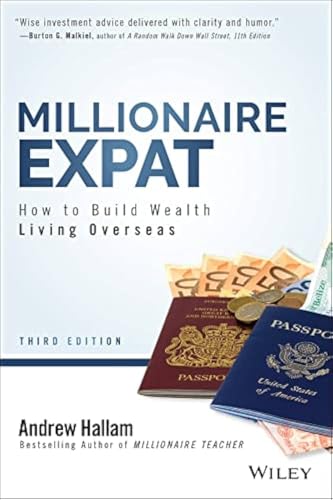
- Millionaire Teacher — Andrew Hallam proves index fund ISAs beat stock picking, with the numbers to back it up
Disclaimer: I am 15 and learning in public. This is our personal experience and not financial advice. Always do your own research.